What Is a Composite Pickleball Paddle? Materials, Pros, and Buying Guide
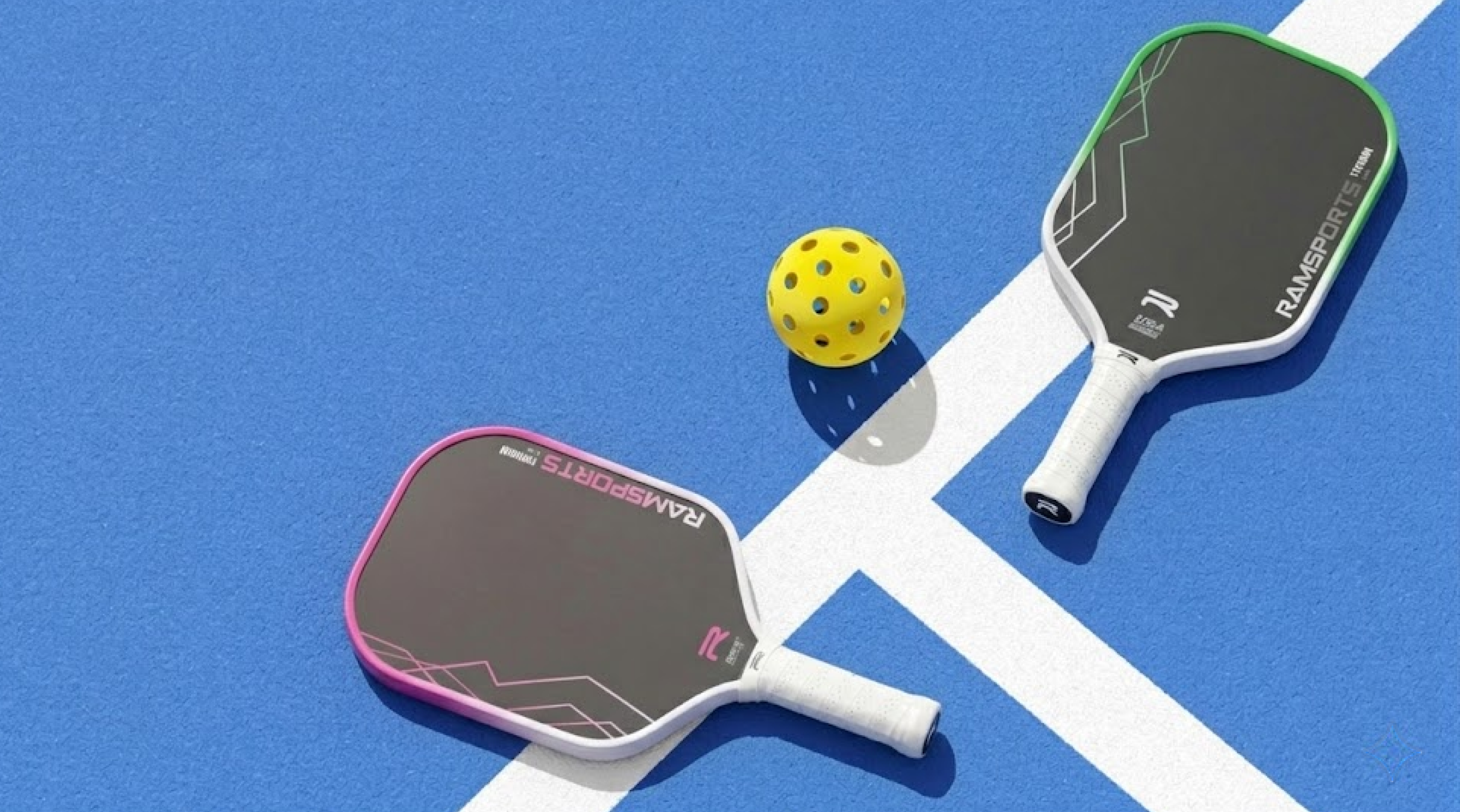
As pickleball continues to grow, players are becoming more selective about the gear they use, especially their paddle. One of the most popular choices among beginners, intermediate players, and even professionals is the composite pickleball paddle.
But what exactly makes a composite paddle different, and why do so many players prefer it?
This guide explains what composite paddles are made of, how they perform, who they suit, and how to pick one with confidence.
Key Takeaways
-
A composite pickleball paddle combines a fiberglass (or carbon/fiberglass blend) face with a polymer honeycomb core.
-
Composite paddles deliver above-average power and spin at a mid-range price point, usually $40–$150.
-
They suit beginners and intermediate players who want a forgiving, all-around paddle.
-
Most weigh 7.7–8.2 oz, the most popular weight range in the sport.
-
Composite is not a single material — performance varies widely by brand and blend.
-
USA Pickleball–approved composite paddles are legal for tournament play.
What Is a Composite Pickleball Paddle?
In pickleball, composite doesn't mean one material - it means a mix. A composite pickleball paddle is a paddle made using a combination of materials, typically featuring a fiberglass or carbon fiber face layered over a polymer, aluminum, or Nomex core.
The term “composite” refers to the blend of materials working together to create a balanced playing experience. Unlike wooden paddles or basic graphite options, composite pickleball paddles are designed to offer a combination of power, control, spin, and durability.
A few terms to know upfront:
-
Polymer honeycomb core — a plastic grid shaped like a beehive, sandwiched between the two faces. It's light, quiet, and soaks up vibration.
-
Paddle face (or surface) — the outer layer that hits the ball. Face material decides how the ball reacts: more pop, more spin, or more control.
-
Edge guard — the rubber strip around the rim that protects the paddle when it scrapes the court.
So when someone says "composite paddle," they almost always mean a fiberglass face on a poly core.
What Is a Composite Pickleball Paddle Made Of?
A composite pickleball paddle has three main parts: the face, the core, and the edge guard. Each part affects how the paddle plays.
1. The Face (Hitting Surface)
The face is what makes a paddle "composite." Common face materials include:
-
Fiberglass — the most common composite face. Flexible, durable, and powerful. Stores energy on contact and releases it as "pop."
-
Carbon fiber blends — added to fiberglass for extra stiffness and a softer feel.
-
Resin coatings — used to bond fibers and create a textured surface for spin.
-
Vinyl or hybrid weaves — used in some budget or specialty paddles.
The textured composite surface grips the pickleball plastic ball longer than smooth surfaces, which is why composite paddles are known for spin.
2. The Core
Almost every modern composite paddle uses a polymer (polypropylene) honeycomb core. Polymer is soft, quiet, and forgiving, and it is the standard at every level of play. A few older or specialty composite paddles use Nomex (a paper-based aramid honeycomb) or aluminum cores, but these are far less common today.
Core thickness usually ranges from 13 mm to 16 mm. Thicker cores give more control; thinner cores give more pop.
3. The Edge Guard
A rubber or plastic strip wraps the perimeter of most composite paddles. It protects the face from court chips and slightly enlarges the sweet spot. Edgeless composite paddles exist, but they tend to chip faster on aggressive scoops.
How Does a Composite Paddle Perform?
Composite paddles are known as the "happy medium" of pickleball paddles. They sit between heavy, slow wood paddles and ultra-light, control-focused graphite paddles.
Key performance traits of composite pickleball paddles:
-
Power: Above average. The flex of fiberglass stores energy and releases it on impact, producing harder drives.
-
Spin: High. The naturally gritty composite surface grabs the ball, helping players generate topspin and slice.
-
Control: Moderate. The flex that creates power costs a small amount of touch on soft shots.
-
Sweet spot: Medium to large, depending on shape and core thickness.
-
Weight: Typically 7.7–8.2 oz — the most popular range in the sport.
In our experience helping players move on from their first wood or starter paddle, switching to a composite is the biggest "whoa" moment they'll feel. Mishits stop hurting your wins. Drives go deeper. Dinks feel softer. The whole game gets easier.
Composite vs Graphite vs Wood Pickleball Paddles
The conclusion first: composite paddles win for value and versatility, graphite wins for touch and quick hands, wood is only for casual one-off play. The table below breaks down the differences.
|
Feature |
Composite Paddle |
Graphite Paddle |
Wood Paddle |
|
Face material |
Fiberglass / hybrid blend |
Thin graphite or carbon sheet |
Solid wood (plywood) |
|
Typical weight |
7.7–8.2 oz |
6.5–7.8 oz |
9–12 oz |
|
Power |
High |
Medium |
High (from weight, not tech) |
|
Control |
Medium |
High |
Low |
|
Spin potential |
High |
Medium |
Low |
|
Durability |
Very good |
Good |
Poor (warps, cracks) |
|
Price range (USD) |
$40–$150 |
$80–$250+ |
$15–$30 |
|
Best for |
Beginners and intermediates |
Advanced/touch players |
Schools, picnics, gym class |
|
Tournament legal? |
Yes (if USAP approved) |
Yes (if USAP approved) |
Rarely |
The right choice depends on your playing style and personal preference.
Pros and Cons of Composite Pickleball Paddles
Every paddle category involves trade-offs. Here is the honest breakdown of composite paddles.
Pros
-
Strong power output without needing a hard swing.
-
Excellent spin potential thanks to the textured fiberglass surface.
-
Affordable compared to premium carbon-fiber paddles.
-
Durable fiberglass holds up well against court abrasion.
-
Forgiving sweet spot for developing players.
-
Wide variety of shapes, weights, and grip sizes available.
Cons
-
Less precise touch than thin graphite or pure carbon-fiber faces.
-
Slightly heavier than premium carbon paddles, which can slow hand speed at the kitchen.
-
Spin texture wears down faster on cheaper composite faces.
-
Quality varies widely "composite" is a marketing term, not a spec.
-
Sweet spot is smaller on some power-oriented composite designs.
Who Should Use a Composite Pickleball Paddle?
A composite paddle is the right pick if you are:
-
A beginner who has outgrown a wood paddle but does not want to spend $200+.
-
An intermediate player developing your offensive game.
-
A power player who likes to drive the ball off the baseline.
-
A spin-focused player who hits topspin rolls or slice dinks.
-
A budget-conscious buyer who wants tournament-legal performance under $100.
-
A player with mild arm strain, since fiberglass dampens vibration well.
If you want a paddle that performs well in multiple areas instead of specializing in just one, a composite paddle is often the ideal choice.

How to Choose a Composite Pickleball Paddle: 5 Steps
Buying a composite paddle is simpler if you check these specs in order. Spend 30 seconds on each before clicking "add to cart."
-
Confirm USAP approval. Look for "USA Pickleball Approved" on the listing. This guarantees the paddle is legal for sanctioned tournament play.
-
Pick a weight class. Choose 7.3–7.8 oz for hand speed; 7.8–8.4 oz for power. Most players land happily at 7.9 oz.
-
Match your grip size. Measure from your ring finger's middle crease to your palm's lowest crease. A 4 1/8" grip fits most adults.
-
Choose a core thickness. 16 mm cores favor control. 13 mm cores favor pop. Beginners should start at 14–16 mm.
-
Read independent reviews. Brand marketing exaggerates spin and power. Trust testers who measure with the Starrett SR160 or similar tools.
Players who enjoy fast hands and quick reactions may prefer lighter paddles, while those wanting more power may lean toward midweight options.
How to Care for a Composite Pickleball Paddle
Proper care can double the lifespan of your paddle. Composite faces are tough, but the texture wears with friction and heat.
-
Wipe the face after each session with a damp microfiber cloth.
-
Avoid harsh cleaners like alcohol or solvents, they strip the gritty texture.
-
Store the paddle indoors, away from direct sunlight and hot car trunks.
-
Replace the overgrip every few months to keep your grip secure.
-
Inspect the edge guard for separation and re-seat with super glue if it lifts.
-
Replace the paddle when you notice dead spots, surface cracks, or a peeling face.
Most recreational players replace a composite paddle every 1–2 years. Competitive players often replace them every 6–9 months.
Final Word
A composite pickleball paddle is the safest, smartest first upgrade for any player ready to leave wood paddles behind. It delivers more power than carbon fiber, more forgiveness than graphite, and more value than premium tournament gear.
Pick one with USAP approval, a polymer core, and a weight in the 7.7 - 8.2 oz range, and you will have a paddle that can take you from your first dink to your first tournament.
Frequently Asked Questions
Are composite pickleball paddles good for beginners?
Yes. Composite paddles are widely considered the best choice for beginners because they offer a forgiving sweet spot, generate easy power, and cost less than carbon-fiber paddles. The polymer core also dampens vibration, which protects new players from arm fatigue.
How much does a composite pickleball paddle cost?
Most composite pickleball paddles cost between $40 and $150. Entry-level fiberglass paddles start around $40–$60. Mid-range models with better cores and edge guards run $70–$100. Premium composite paddles with hybrid carbon-fiberglass faces can reach $120–$150.
How long does a composite pickleball paddle last?
A composite paddle typically lasts 1–2 years for casual players and 6–9 months for competitive players. Lifespan depends on play frequency, surface texture quality, and storage conditions. The first sign of wear is usually a smoother face that produces less spin.
Are composite paddles allowed in tournaments?
Yes, as long as the specific paddle model is on the USA Pickleball approved list. Tournament play requires a paddle that meets USAP standards for surface roughness, dimensions, and deflection. Most major composite paddles from established brands are pre-approved.
Is a composite paddle better than a carbon fiber paddle?
Neither is strictly better — they suit different playstyles. Composite (fiberglass) paddles deliver more power and pop. Carbon fiber paddles deliver more control and a larger sweet spot. Power players and beginners usually prefer composite. Touch-focused and advanced players usually prefer carbon fiber.
Do composite pickleball paddles generate more spin?
Composite paddles generate strong spin because their fiberglass faces have a naturally textured surface that grips the ball. However, modern raw carbon fiber paddles can match or exceed composite spin numbers in lab testing. The real spin difference depends more on the paddle's specific surface treatment than on its core material category.